Get 10% Off On Your First Order CODE: FIRST10
Get 15% Off When You Refer A Friend Code: JFRIEND


Everything EV drivers and fleet operators need to know in 2026
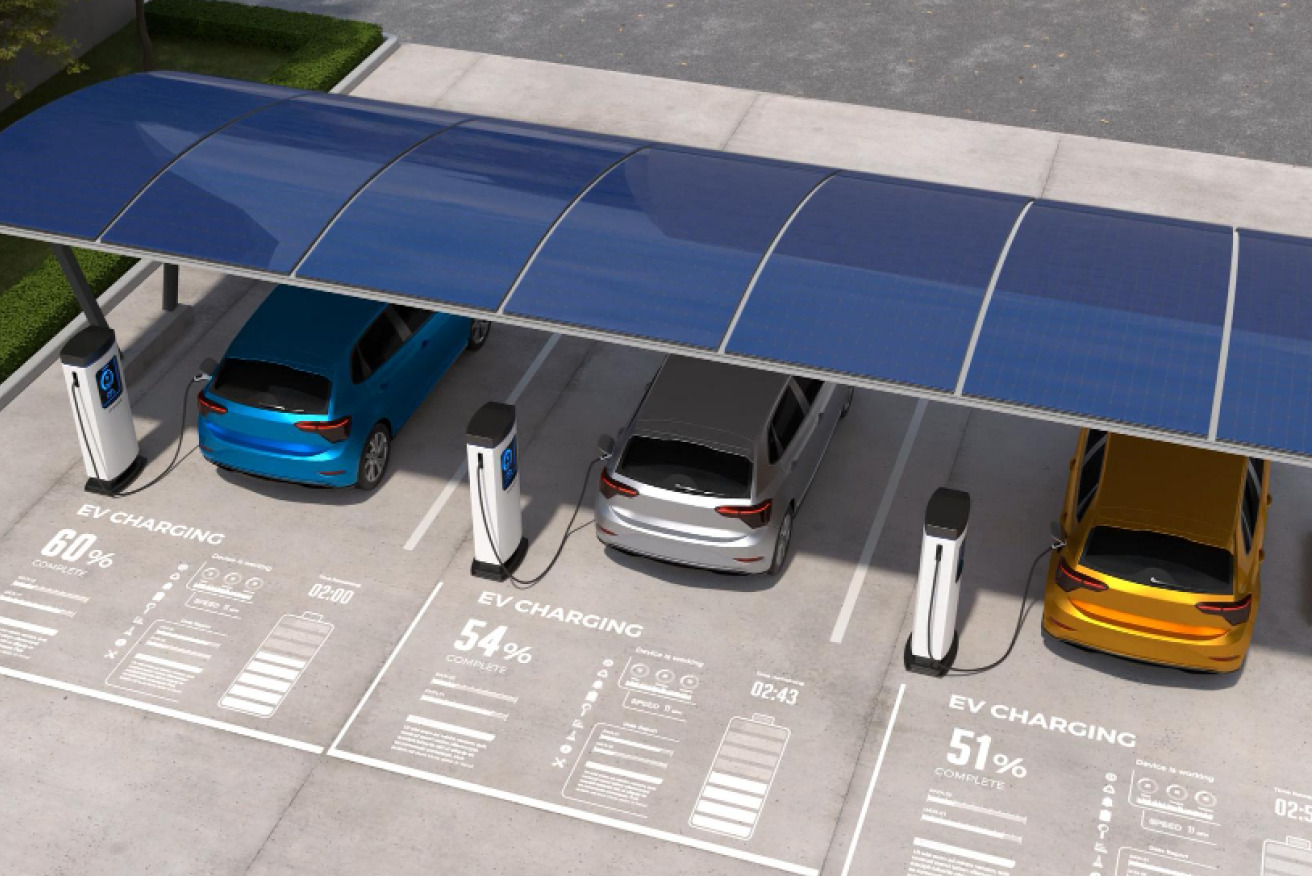
You're parked at a hotel, an apartment building, or a job site. Your EV battery is at 12%. The nearest charging station is four miles away — and it's in use. This is the problem that millions of American EV drivers face every week. And it's exactly the problem that mobile EV charging services were built to solve.
Mobile electric vehicle charging brings Level 3 DC fast charging directly to your location — no hunting for stations, no waiting, no infrastructure required. Whether you're a daily commuter, a rideshare driver, or managing a commercial fleet, understanding how mobile EV charging works, what it costs, and how to choose the right service can save you serious time and money.
This guide covers everything you need to know.
A mobile electric vehicle charging station is exactly what it sounds like: a self-contained charging unit mounted on a truck or van that travels to wherever your EV is parked and delivers a fast charge on the spot. No fixed infrastructure, no installation, no waiting for a station to free up.
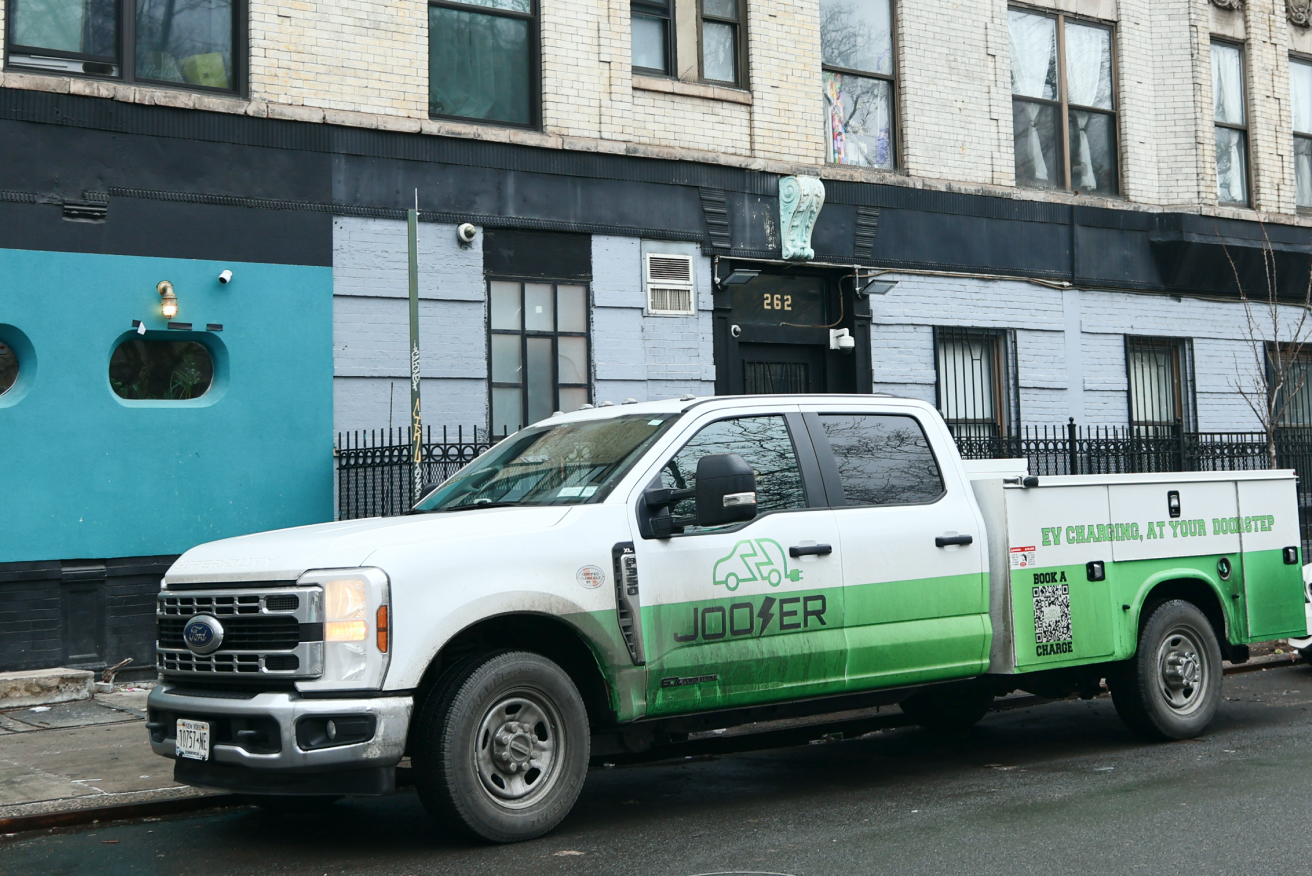
The best mobile EV charging services — like Jooser — operate 24/7 across major US metro areas, letting drivers book a charge in seconds via a website or QR code. A technician arrives with a real-time ETA, connects to your vehicle, and delivers a Level 3 DC fast charge. Most standard EVs reach 80% battery in around 45 minutes..
Think of it as roadside assistance for your battery — but faster, smarter, and available before you ever get stranded.
A mobile EV charging truck is equipped with high-capacity onboard battery systems that are typically charged in advance using grid electricity or renewable energy sources. These trucks store energy and deliver it directly to electric vehicles through a DC fast charging connector, offering a convenient, on-demand charging solution wherever it’s needed.
Here’s how the service usually works:
• Easy booking: Users can quickly schedule a charging session by selecting their location and preferred time through a website or by scanning a QR code at a supported location. The process is simple and requires no complicated paperwork.
• Live tracking: After booking, users receive real-time updates via SMS or email, allowing them to track the arrival of the charging technician.
• Fast on-site charging: The technician connects the vehicle using standard connectors like NACS or CCS. With Level 3 DC fast charging, most EVs can reach up to 80% charge in approximately 45 minutes.
• Transparent pricing: Customers pay only for the energy consumed, with clear and upfront pricing and no hidden charges.
The mobile EV charging truck model is designed to support a wide range of electric vehicles, making it compatible with most major EV brands on the road today.
One of the most common questions EV drivers ask is: how much does a mobile EV charging service cost? The honest answer is that pricing varies — but the value versus time saved is consistently strong.
Here's useful context from 2025 public charging data to benchmark against:
• National average DC fast charging: The US national average for public Level 3 fast charging settled at $0.49/kWh in Q3 2025, with most states clustered between $0.45 and $0.53/kWh (Paren, 2025 Full Year Report).
• Regional variation is significant: Coastal urban markets run higher — New York-New Jersey averaged $0.61–$0.62/kWh, while Miami and Austin were among the lowest at $0.42–$0.46/kWh (Paren Q2 2025).
• A typical DC fast charge session: A 72 kWh battery costs roughly $33–$35 to charge at a public DC fast charger at average national rates (Qmerit, December 2025).
Mobile EV charging services carry a modest premium over fixed public chargers — which is expected, given the convenience of delivery to your exact location. Jooser offers transparent, upfront pricing with no surprise fees, one-time charges, subscription plans, and enterprise billing for business fleet clients. Use code FIRST10 for 10% off your first booking.
The real cost of a mobile charge isn't just dollars per kWh — it's the value of the two hours you didn't waste driving to and waiting at a public station.
For those living in apartments without dedicated charging, relying on street parking, or constantly on the move, a mobile electric vehicle charging service becomes a game-changer. It eliminates the stress of searching for charging stations and reduces range anxiety significantly. With charging delivered directly to your location—whether at home, work, or on the road—EV ownership becomes far more convenient and reliable.
Drivers working with platforms like Uber, Lyft, or DoorDash depend heavily on time efficiency. Waiting at charging stations means lost income. On-demand mobile charging allows them to recharge their vehicles between trips without downtime, helping maximize productivity and earnings throughout the day.
For businesses managing EV fleets, on-demand charging offers unmatched flexibility. Companies can deploy charging solutions quickly without investing in infrastructure or dealing with complex permits. Whether it’s occasional top-ups or scheduled daily charging, the service adapts to operational needs. Fleet managers also benefit from streamlined billing and centralized reporting, making it easier to monitor energy usage and control costs across multiple vehicles.
Not all mobile EV charging services are equal. Here's what separates a great provider from a frustrating one:
• Level 3 DC fast charging capability: Level 2 mobile chargers exist but take 4–10 hours for a full charge — not practical for most on-demand use cases. Look for Level 3 (DC fast charging) that delivers meaningful range in under an hour.
• Broad vehicle compatibility: Your provider should support NACS, CCS, and all major connector standards — covering every EV brand without exceptions.
• Transparent, upfront pricing: Hidden fees and confusing per-minute billing are red flags. The best services show you the full cost before you confirm.
• Real-time ETAs and communication: A good provider gives you live arrival tracking and proactive updates — not vague time windows.
• 24/7 availability: EV batteries don't die on a 9–5 schedule. Your charging provider shouldn't either.
• Scalable B2B options: If you manage a fleet, look for enterprise billing, scheduling flexibility, and a provider that can grow with your operation.
Jooser delivers on every one of these criteria — with Level 3 fast charging, full vehicle compatibility, transparent pricing, real-time updates, 24/7 coverage across the US, and dedicated B2B fleet solutions.
Mobile EV charging is not just a convenience — it's an increasingly essential piece of the EV infrastructure puzzle. As electric vehicle adoption accelerates, the gap between where drivers are and where chargers exist creates real friction. Mobile charging closes that gap completely.
Whether you're an individual driver tired of the station-hunt, a rideshare operator protecting your earning time, or a fleet manager looking for zero-infrastructure charging that works from day one — a mobile EV charging service delivers. Jooser is built for exactly this: on-demand, 24/7, anywhere in the US, with Level 3 speed and transparent pricing.
Ready to experience EV charging that comes to you? Book your first Jooser charge today at jooser.com — and use code FIRST10 for 10% off.

Zachary Ebner is the Founder and CEO of Jooser, focused on transforming EV charging through convenient, on-demand mobile solutions. Drawing on more than a decade of experience in real estate and business leadership, he drives Jooser’s vision to make EV charging more accessible, reliable, and seamless for drivers.