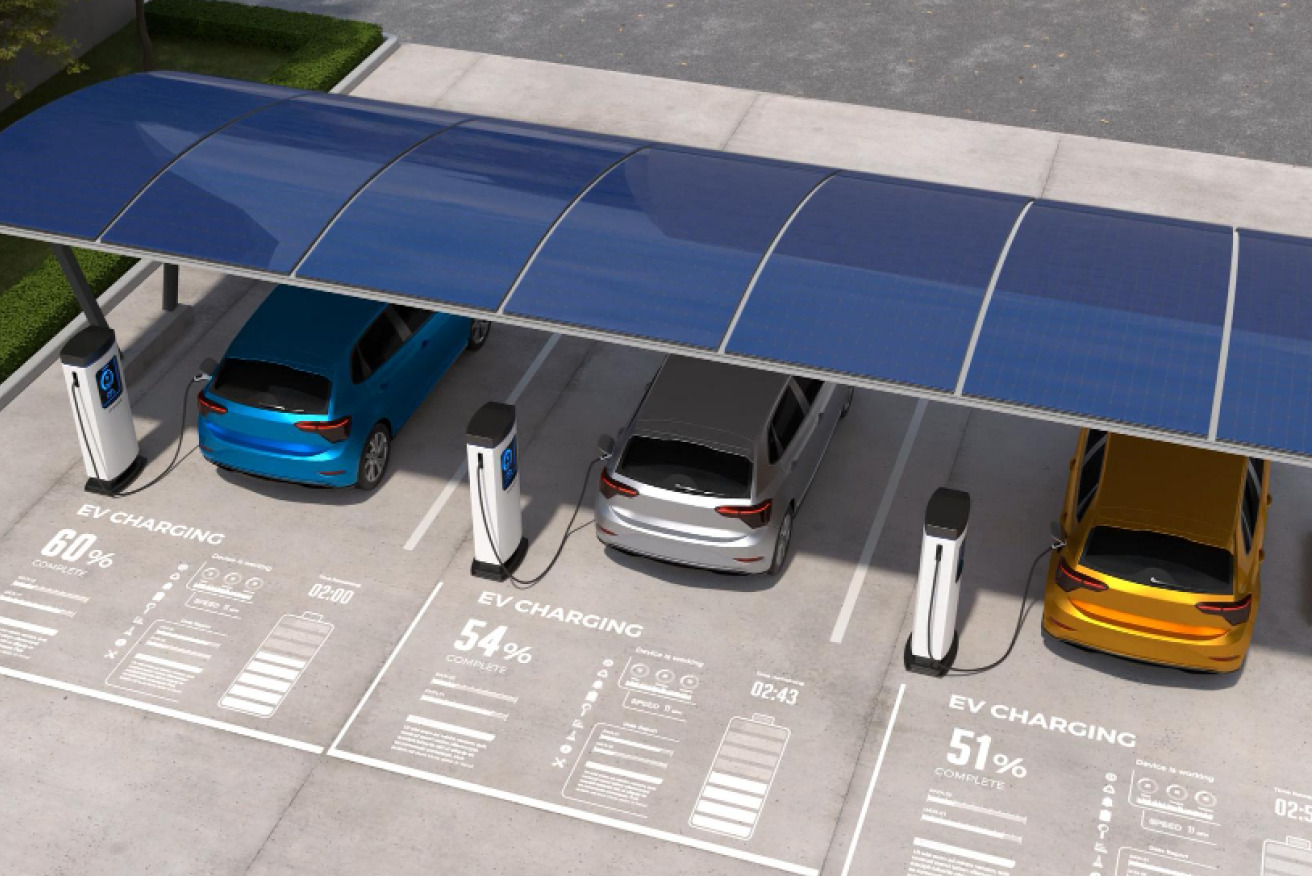
Get 10% Off On Your First Order CODE: FIRST10
Get 15% Off When You Refer A Friend Code: JFRIEND


Discover how long it takes to charge a personal EV or fleet in Miami, from overnight Level 2 charging to 45-minute DC fast charging.
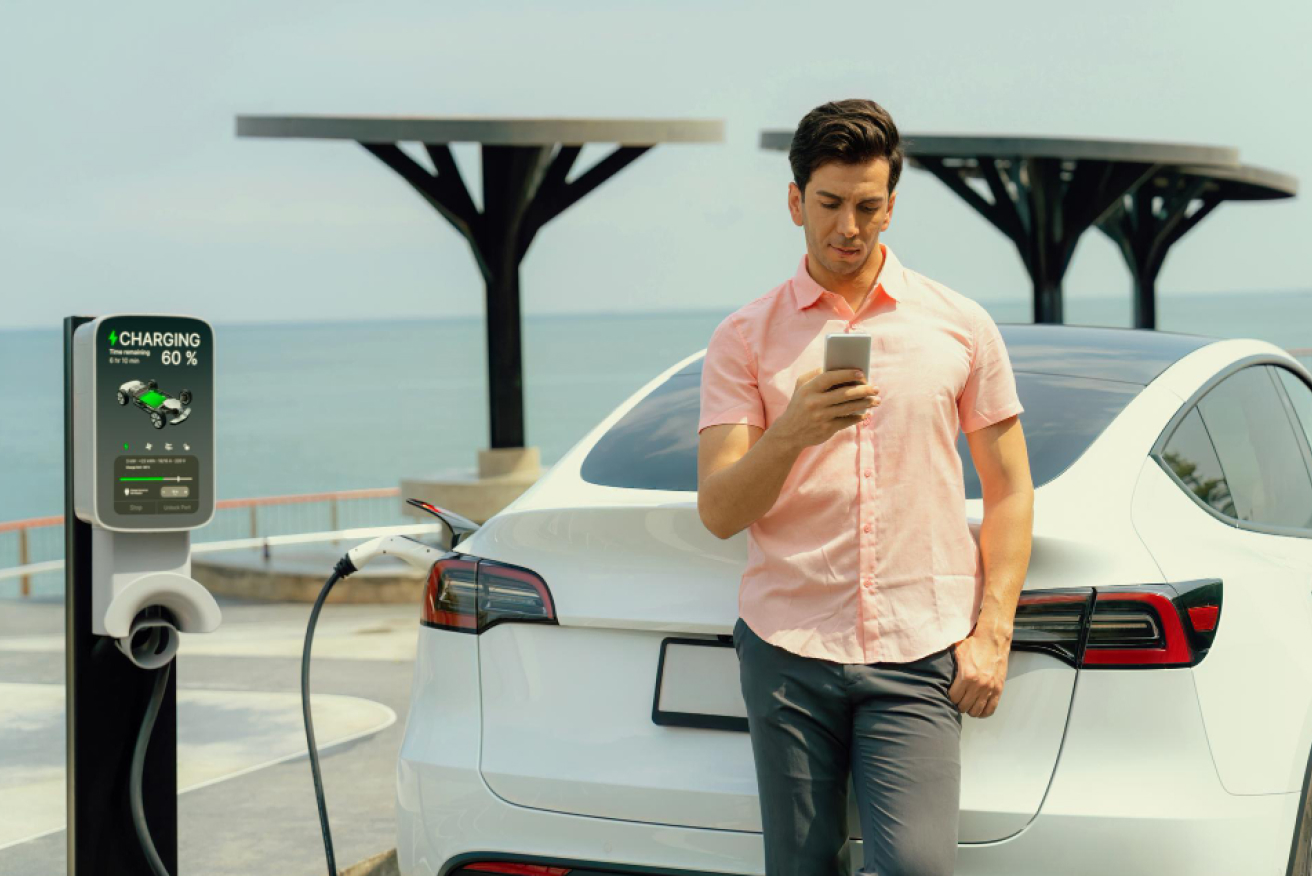
If you drive an EV in Miami, you're probably always stuck with one question: how long is this going to take? It depends on more than your car's battery size. The charger, the weather, the time of day, and whether you're charging one personal vehicle or managing a dozen fleet vans all contribute to the EV charging time. Personal charging and fleet EV charging services solve different problems. One is about getting your own car ready before your next drive. The other is about keeping an entire lineup of vehicles on schedule without any single one falling behind.
This guide breaks down real charging times for Miami conditions, for both individual drivers and fleet operators.
Charging speed comes down to the equipment:
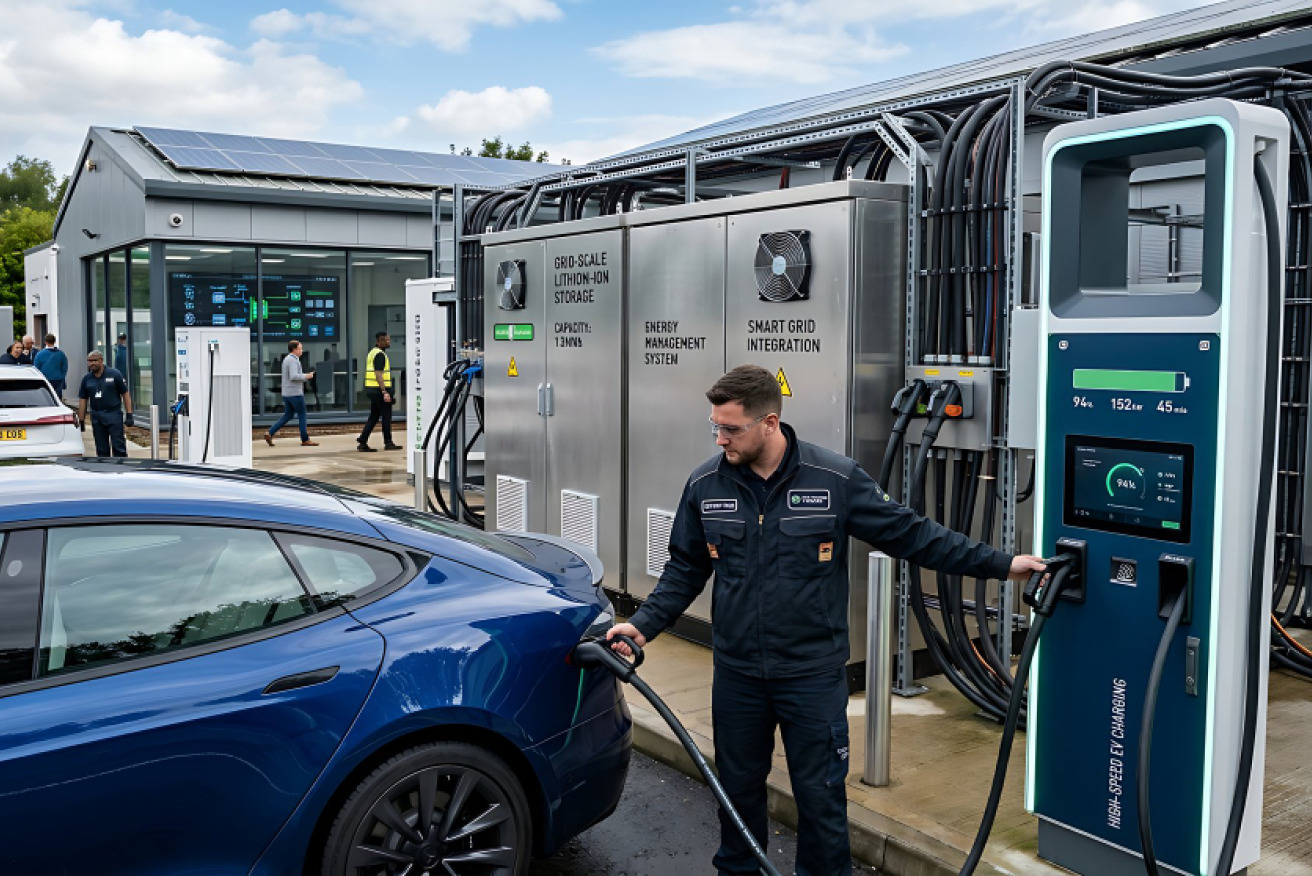
Mobile EV Charging is when a technician brings a Level 3 DC fast charger to wherever your car is already parked. Be it a driveway, an office lot, or a curb near South Beach.
The charging speed is the same as a public Level 3 station roughly 45 minutes to 80%. You eliminate the drive there, the wait for an open connector, and the drive back. For a Miami driver dealing with midday traffic, that's often the bigger time savings.
Also Read: The Complete Guide to Mobile EV Charging Services
Fleet EV Charging Services work on a different clock than personal charging. A single delivery van charging overnight at Level 2 is straightforward, but a fleet manager rarely has the luxury of every vehicle sitting idle for eight hours. Fleet EV charging Miami operators use typically relies on scheduled Level 3 sessions between shifts, timed in 30-to-45-minute windows that fit around routes instead of around the charger's availability. A fleet running 6 to 10 vehicles can rotate through mobile charging appointments overnight without ever routing a van to a public station.
Lots of fleets think all their vehicles will get enough charge with Level 2 overnight, but that plan usually falls apart from the moment something unexpected pops up. Suddenly, the schedule’s off and there’s at least one van that’s low on battery before it even starts its shift. If you’ve got Level 3 charging in the mix, dispatchers can actually handle those curveballs.
Also Read: EV Charging as a Service: Why More Fleets Are Switching to On-Demand Charging
Yes, Miami drivers get an unusual advantage here. Paren’s Q2 2025 industry report says Miami drivers pay just $0.42 per kWh for DC fast charging. The lowest rate among big US cities. That’s mostly thanks to Florida Power & Light’s utility-owned charging network. Sure, plugging in at a fast charger still runs higher than a slow, overnight Level 2 charge at home. In Miami, the difference isn’t such a big deal. In pricier cities like New York or LA, the gap is a lot wider, so using a fast charger all the time makes less sense there.
Scheduled charging covers most situations, but not a battery that drops to single digits mid-route. Emergency EV Charging Miami services are built for exactly that gap. A technician is dispatched to the vehicle's exact location and delivers enough charge to get the car moving again. This applies equally to a stranded commuter and a fleet vehicle that's fallen behind schedule.
Without access to EV charging Miami drivers can count on, the alternative is usually a tow, which costs far more time than the charge itself ever would.
Mobile EV Charging Services Miami providers like Jooser bring Level 3 speed directly to a parked vehicle, at home, at a depot, or roadside. For a personal driver, that means never planning an errand around a charger. For a fleet manager, it means EV charging services Miami depots can schedule the same way they'd schedule a maintenance check.
That's the real difference between a 45-minute charge and a charging trip that eats half your afternoon.
A Level 2 home charger typically takes 4 to 10 hours for a full charge, depending on battery size. Most drivers charge overnight.
Most EVs reach 80% charge in about 45 minutes with Level 3 DC fast charging, though Miami's heat can extend that slightly.
High heat and humidity can slow charging slightly, since the battery management system prioritizes cooling. Expect sessions to run a little longer during summer months.
Emergency EV charging covers a vehicle stranded with a dead or critically low battery. A technician reaches the exact location within 30 to 60 minutes.
Most fleet vehicles fully charge overnight at Level 2 within 4 to 10 hours. Fleets needing faster turnaround use scheduled Level 3 sessions.
Slightly. DC fast charging costs more per kWh than home Level 2 charging, but Miami's $0.42/kWh average is the lowest among major US metros.

Julian Ebner is the Co-Founder of Jooser, driving strategic partnerships, business development, and growth initiatives to expand accessible and reliable mobile EV charging. With experience across entrepreneurship, sports management, and real estate, he brings a versatile, customer-focused approach to building innovative mobility solutions.