Get 10% Off On Your First Order CODE: FIRST10
Get 15% Off When You Refer A Friend Code: JFRIEND


See why fleets are switching to on-demand EV charging for lower costs, greater flexibility, and less downtime.
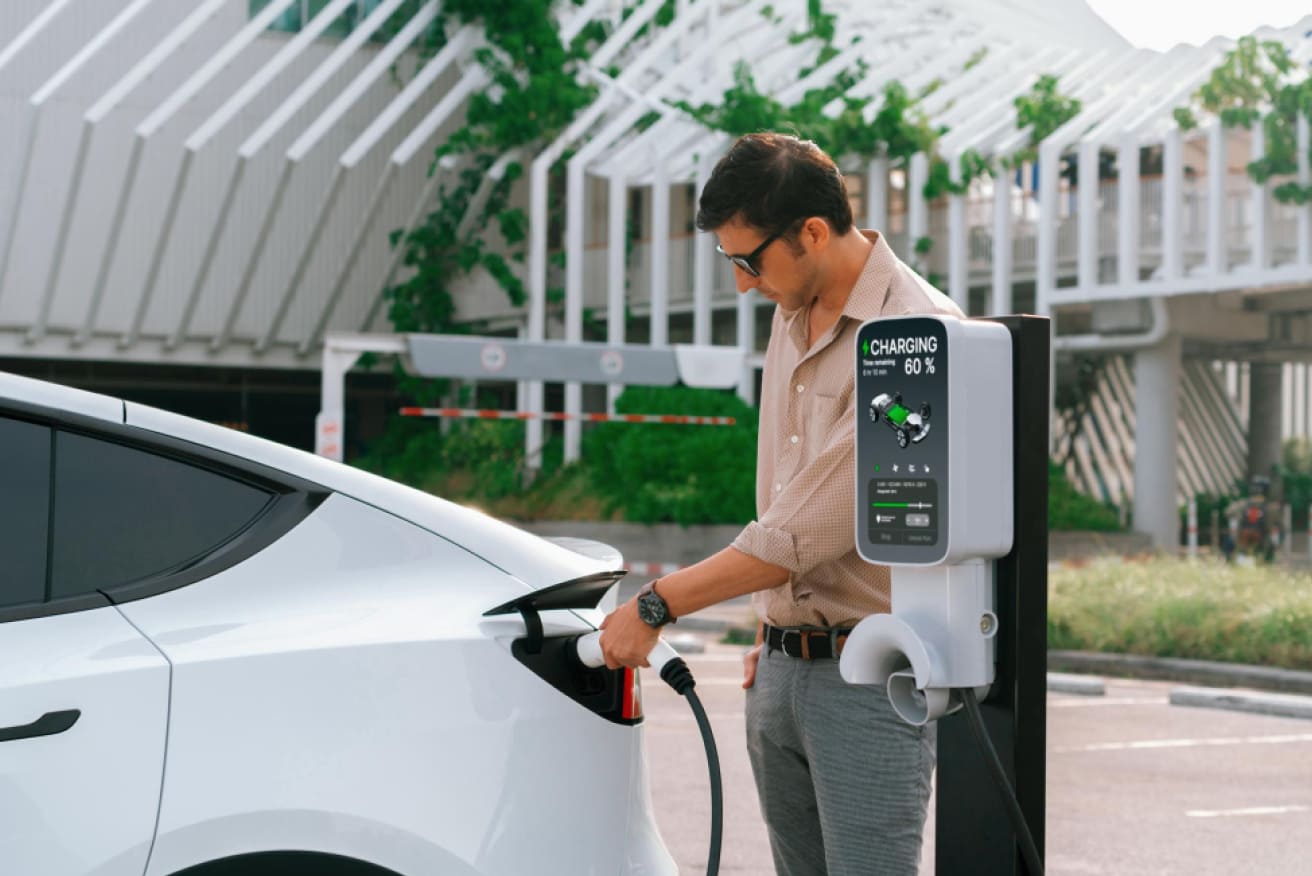
Running a commercial fleet of electric vehicles sounds simple until you try to keep every van, car, or truck charged and ready to work. Fixed charging stations can require tens of thousands of dollars in upfront infrastructure costs, while vehicles may remain idle while waiting for an available charger. For fleets operating on tight schedules, even a few hours of charging downtime can affect daily productivity. This is why more fleet managers across the country are turning to on demand EV charging in USA services that bring power directly to the vehicle instead of making the vehicle wait for a charger.
This approach, known as EV charging as a service, removes the need to own, build, or maintain charging infrastructure. With level 3 DC fast charging, some EVs can reach around 80% charge in 20–45 minutes, helping fleets get vehicles back into operation faster. Instead of investing heavily in permanent infrastructure, businesses can use a flexible service that delivers charging whenever and wherever it is needed. Companies like Jooser are helping drive this shift by making charging work around the fleet's schedule—not the other way around.
Mobile EV Charging as a Service works much like other on-demand business tools. Instead of buying and maintaining hardware, a company pays only for the charging sessions it actually uses. A provider sends a fully equipped mobile unit to the vehicle's location, whether that is a depot, a job site, or a parking lot, and charges the vehicle on the spot. There are no permits to apply for, no construction crews to hire, and no long wait for utility upgrades.
Many businesses that once planned to install their own charging stations are now rethinking that decision. Here is why:
Switching to mobile EV charging solves most of the problems tied to fixed stations. It brings the charger to the vehicle instead of the vehicle to the charger, which changes how fleets operate day to day.
The process behind on demand mobile EV charging is designed to be simple for fleet managers who already have enough to coordinate.
Also Read:- Understanding EV Charging Plug Types: A Guide for Fleet Operators
Speed matters most when a vehicle needs to get back on its route. Fast EV charging technology, such as Level 3 DC fast charging, can bring a battery from low to around 80 percent in roughly 20 to 45 minutes, compared to 8 to 12 hours on a standard home-style charger. For fleet operators, this difference can mean the gap between a vehicle sitting idle for hours and a vehicle returning to work within the same shift.
Across the country, an EV charging delivery service model is becoming a practical alternative to building permanent infrastructure. Instead of every business site needing its own charging station, a provider's mobile units travel between locations, delivering power exactly where it is needed. This approach works well for delivery fleets, corporate campuses, logistics hubs, and even individual drivers who cannot access a home charger.
Not every provider offers the same level of service, so fleet managers should look for a few key qualities before choosing a fleet EV charging partner:
Jooser EV charging services meet each of these standards. Our certified technicians operate across major metropolitan areas and key corridors throughout the United States, arrive within a guaranteed dispatch window, and use Level 3 DC fast charging equipment that is compatible with nearly every EV brand on the road, including Tesla, Ford, Rivian, Hyundai, BMW, and more. Pricing is transparent from the start, with no hidden fees, so fleet managers know exactly what they are paying for before a technician is ever dispatched. New service zones are added every month, making it easier for growing fleets to rely on the same trusted partner as they expand into new regions.
Also Read:- The Benefits of On-Demand EV Charging Stations for Fleet Businesses
The future of EV charging is not just about adding more fixed stations on every corner. It is about flexibility, letting power meet the vehicle instead of the vehicle chasing power. Fleets that adopt on-demand charging gain more control over their schedules, spend less on infrastructure, and keep more vehicles active during peak hours.
Jooser was built around this idea. By combining fast charging technology with a mobile, on-demand delivery model, Jooser helps individual drivers and business fleets stay powered without the cost and delay of traditional charging stations. As more companies electrify their fleets, on-demand charging is quickly becoming the practical, reliable choice for staying on the road.
Mobile EV chargers use compatible charging connectors and adapters to support different EV makes and models. This allows fleets with mixed vehicles to use the same on-demand charging service.
Charging speeds depend on the mobile unit, vehicle, and battery capacity. Level 3 DC fast charging can deliver significantly more power than standard AC charging, helping fleet vehicles recharge in less time.
Yes. Mobile charging providers can support multiple connector types, making the service suitable for fleets that include vehicles from different manufacturers.
Charging sessions can be monitored using digital platforms that track key information such as charging status, energy delivered, session duration, and vehicle location, giving fleet managers better visibility.
Depending on the provider and platform, mobile EV charging solutions can integrate with fleet management and scheduling systems through software integrations or APIs, helping coordinate charging with vehicle availability and routes.
Fleet managers can schedule charging based on vehicle availability, routes, and operational needs. Providers can then dispatch charging units where and when they are needed, helping reduce charging delays during busy periods.