Get 10% Off On Your First Order CODE: FIRST10
Get 15% Off When You Refer A Friend Code: JFRIEND


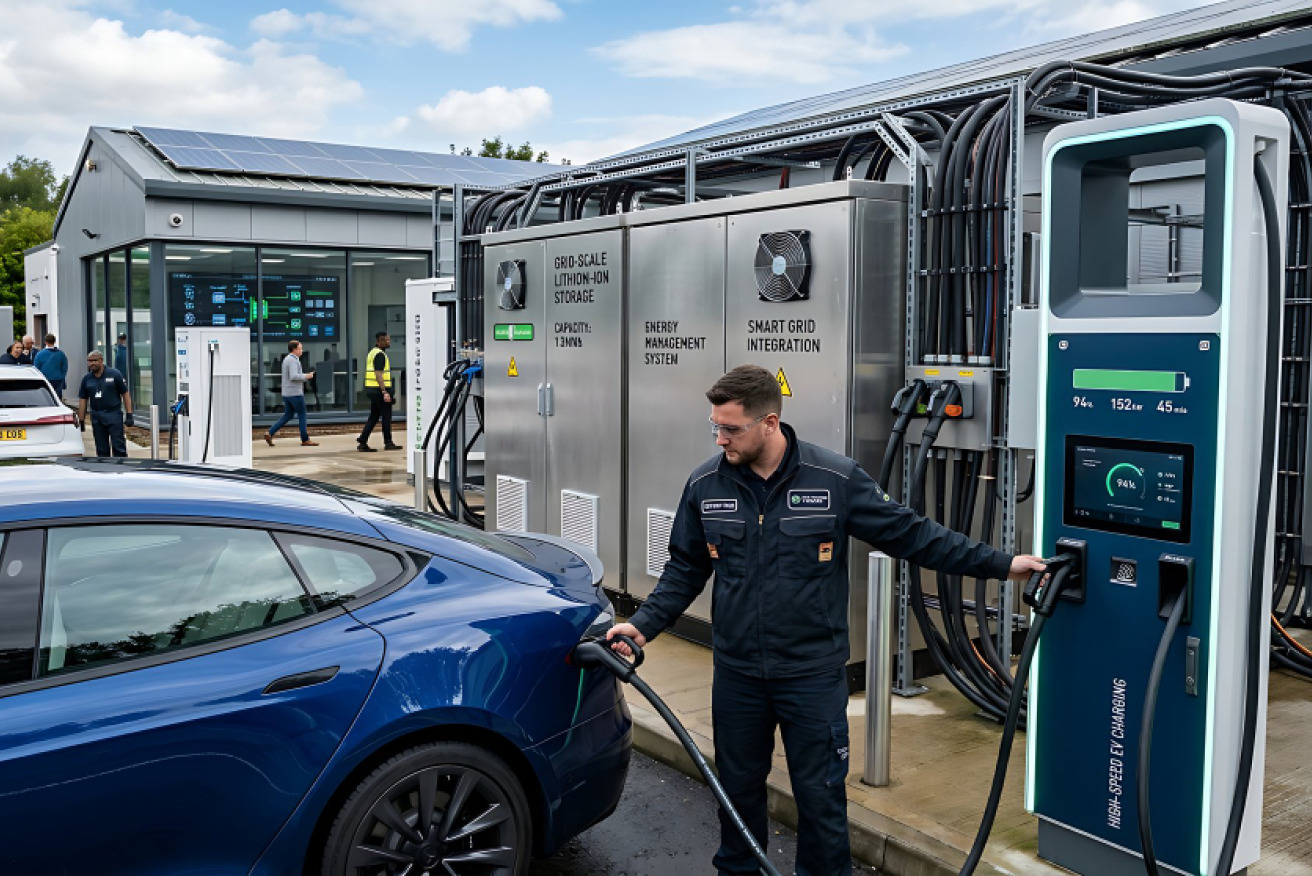
Turnkey EV charging solutions offer an alternative, on-demand mobile dispatch that brings a Level 3 charger to the vehicle instead of building a fixed site.
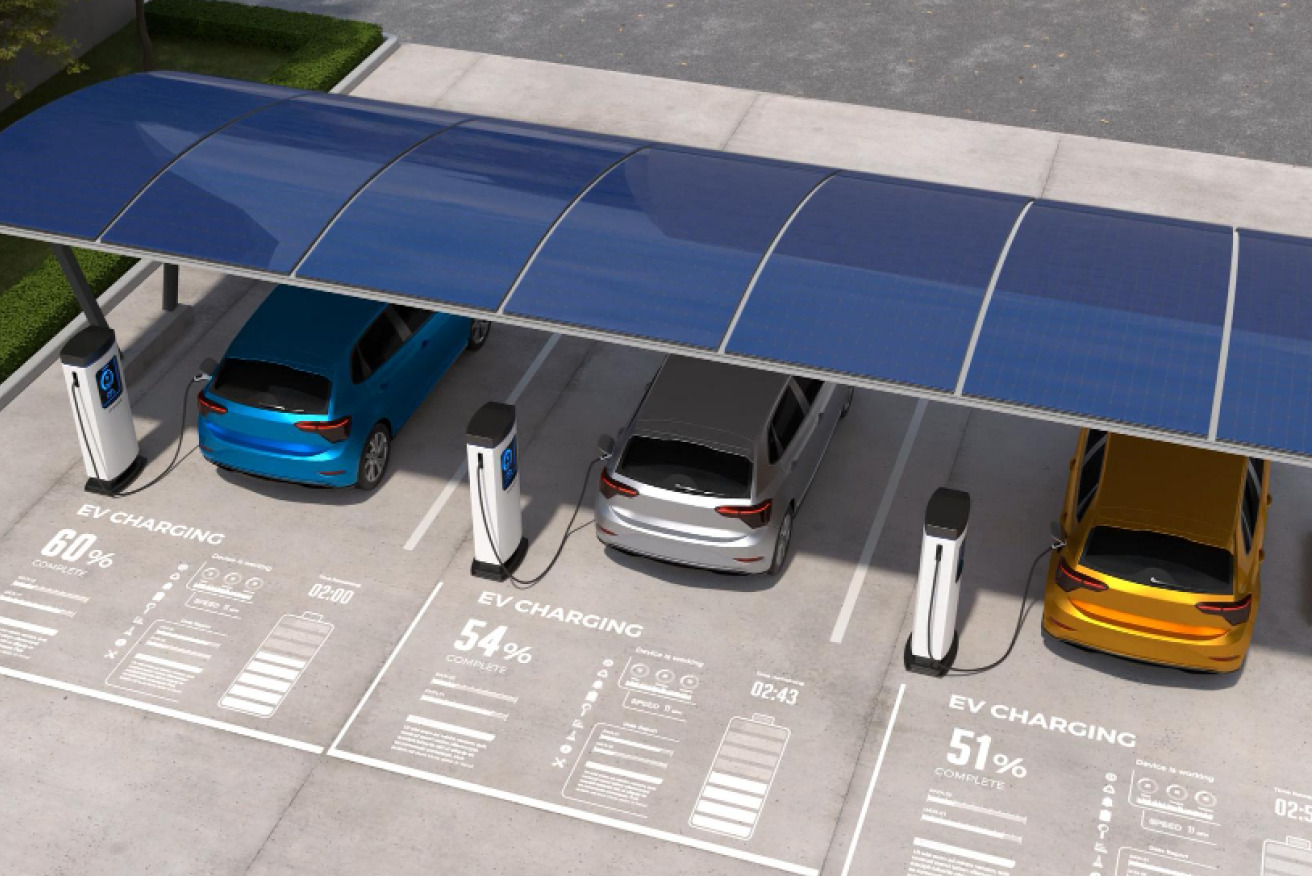
For a business weighing EV charging infrastructure in New Jersey, the decision usually comes down to one question: build it, or route around it. Installing even a single Level 3 DC fast charger is a real construction project, with real capital tied up for months before the first vehicle charges. A growing number of businesses are choosing a different path: turnkey EV charging solutions that deliver charging as a service instead of a fixed asset. This guide breaks down what permanent infrastructure actually costs in New Jersey, what it takes to maintain once it's built, and how a turnkey alternative changes that math.
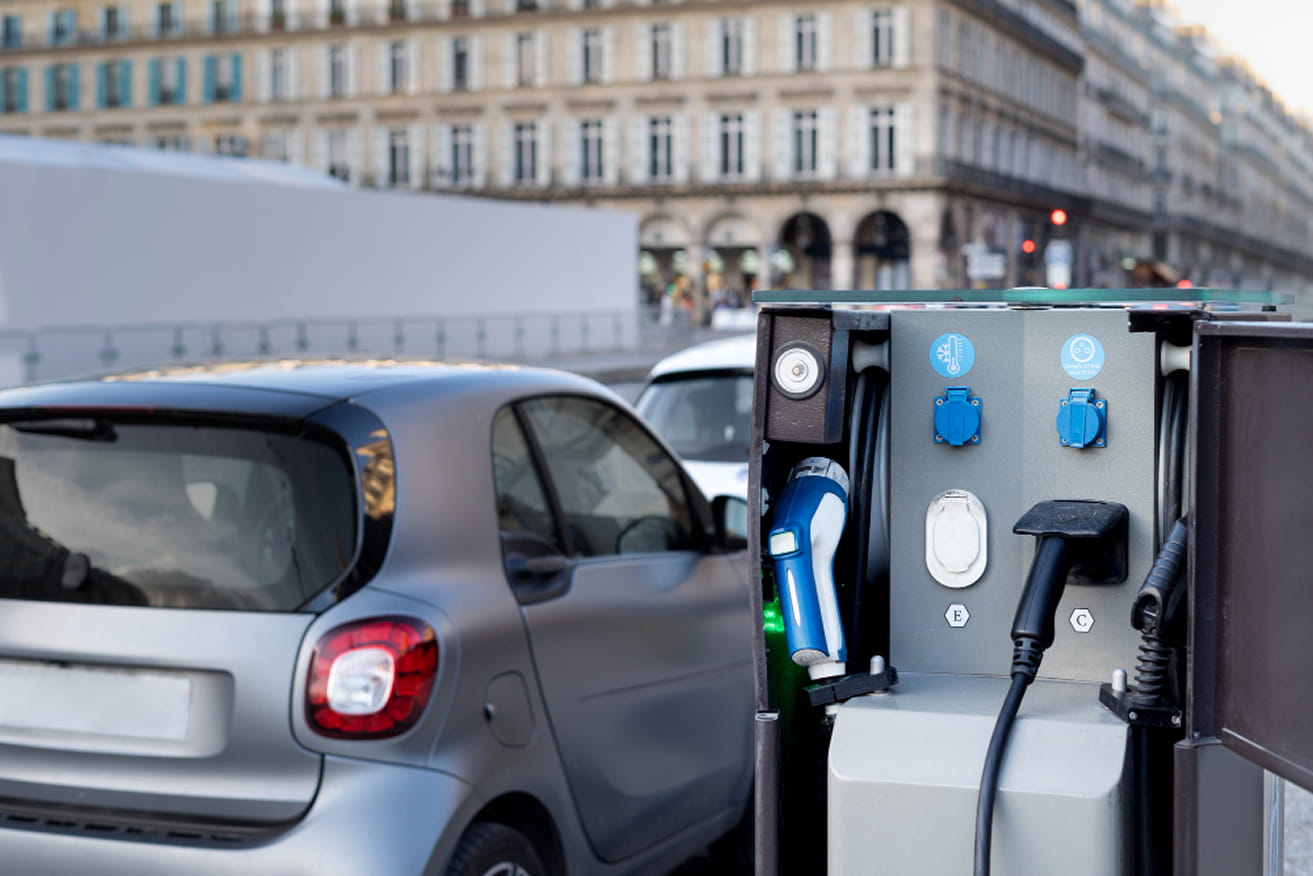
The price gap between charger types is larger than most businesses expect. A commercial Level 2 port typically runs $3,000 to $12,000 installed, workable for a site where vehicles sit for hours. Level 3 DC fast charging is a different category of project entirely: total installed cost commonly runs $80,000 to $250,000 or more per port, according to DOE procurement guidance and NREL's commercial charging infrastructure research.
Hardware is usually only 20% to 35% of that number. The rest goes to electrical service upgrades, transformers, trenching, and permitting, the same site work that makes mobile EV charging infrastructure worth considering as an alternative in the first place.
The bill doesn't stop at installation, either. Commercial fast chargers typically run 5% to 10% of hardware cost annually in maintenance once they're live, on top of network software fees and the demand charges utilities apply for high-power draw. A business that installs a $150,000 port is signing up for a multi-year operating cost, not a one-time purchase, which is worth weighing against a session-based alternative before construction even starts.
Cost is only half the equation. Projects that need a utility service upgrade, which most Level 3 DC fast charging installs do, commonly take 4 to 8 months from initial permitting to commissioning, largely because of utility coordination timelines rather than the physical construction itself. New Jersey's incentive landscape has also shifted recently: the federal Section 30C commercial charging tax credit, worth up to 30% of installation cost, expired on June 30, 2026.
PSE&G's Make-Ready program still offsets a portion of infrastructure costs for eligible commercial customers, and Charge Up NJ offers fleet rebates up to $6,000 per port, but neither program shortens the utility interconnection queue that drives most of the delay.
Turnkey EV charging solutions skip the construction project entirely. Instead of a business owning fixed charging equipment, a provider dispatches a technician with a Level 3 DC fast charger directly to wherever vehicles are parked, a parking garage, a dealership lot, a logistics depot, or an event site. There's no utility interconnection to wait on, no trenching, and no multi-month permitting queue. Mobile EV charging infrastructure essentially replaces a fixed capital asset with an on-demand service, priced by the session rather than the port.
This matters most for businesses that don't have consistent, predictable charging demand. A property with two or three EVs on-site doesn't justify a $150,000 installation, but it still needs a reliable way to charge them. A turnkey EV charging solution removes that mismatch: the cost scales with actual usage instead of being locked in on day one based on a forecast that may or may not hold up.
Also Read: Top EV Charging Infrastructure Challenges Drivers Face in New Jersey
A fleet EV charging New Jersey program built around on-demand dispatch scales differently than a fixed site. Instead of sizing infrastructure for peak demand and hoping utilization catches up, a fleet books sessions as vehicles need them, overnight at a depot, between shifts, or during a scheduled maintenance window. A logistics operation running six vehicles today can add ten more next quarter without a second construction project, because there's no fixed port count to expand.
The sizing problem is where most permanent installations go wrong. A business builds its current fleet size, then adds vehicles faster than expected and finds the depot two ports can't keep up during a busy week.
A fleet EV charging New Jersey program that scales by booking rather than by construction sidesteps that entirely: this quarter's six vehicles and next quarter's sixteen draw on the same on-demand capacity, with no rebuild in between.
Emergency EV charging New Jersey services dispatch a technician to the vehicle's exact location, typically within an hour, delivering enough charge to get it moving again without a tow or a lost day. Scheduled charging covers most operations, but not every situation is scheduled: a rental fleet vehicle that comes back critically low, a dealership demo car that won't make it to the next test drive, or a delivery van stranded mid-route all need a faster answer than waiting for the next depot cycle.
Not always. A high-turnover site with dozens of EVs charging daily, a highway rest stop or a large retail lot, can still make sense as permanent infrastructure once utilization is proven. But for most businesses evaluating charging today, especially ones testing electrification, managing a modest fleet, or serving customers unpredictably, the capital and timeline required to build Level 3 DC fast charging infrastructure rarely matches near-term need. A turnkey provider like Jooser lets a business start immediately and scale based on real usage instead of a five-figure bet made before the first vehicle plugs in.
Total installed cost commonly runs $80,000 to $250,000 or more per port, once electrical upgrades, trenching, and permitting are included, per DOE and NREL guidance.
Projects needing a utility service upgrade typically take 4 to 8 months from permitting to commissioning, mostly due to utility coordination rather than construction time.
A service that delivers charging on demand, without a business building or owning fixed equipment. A technician brings a Level 3 charger to the vehicle.
PSE&G's Make-Ready program and Charge Up NJ fleet rebates remain active, but the federal Section 30C tax credit expired for installs after June 30, 2026.
Vehicles are charged on a scheduled or on-demand basis wherever they're parked, letting a fleet scale up or down without adding fixed ports.
A vehicle stranded with a critically low battery, a rental, delivery van, or demo car, gets a technician dispatched to its location within an hour.
For low or unpredictable charging volume, yes. A single Level 3 installation can cost more than years of on-demand sessions for a small fleet.
Yes. The same on-demand dispatch model covers a full commercial fleet, a single company vehicle, or an emergency charge for any parked EV.

Julian Ebner is the Co-Founder of Jooser, driving strategic partnerships, business development, and growth initiatives to expand accessible and reliable mobile EV charging. With experience across entrepreneurship, sports management, and real estate, he brings a versatile, customer-focused approach to building innovative mobility solutions.