Get 10% Off Your First Charge. Code: FIRST10
Get 15% Off When You Refer A Friend Code: JFRIEND


A technician delivers a Level 3 DC fast charger right to your New Jersey fleet. No construction, no permits, no waiting for utilities. You just book a charging session and add capacity immediately.
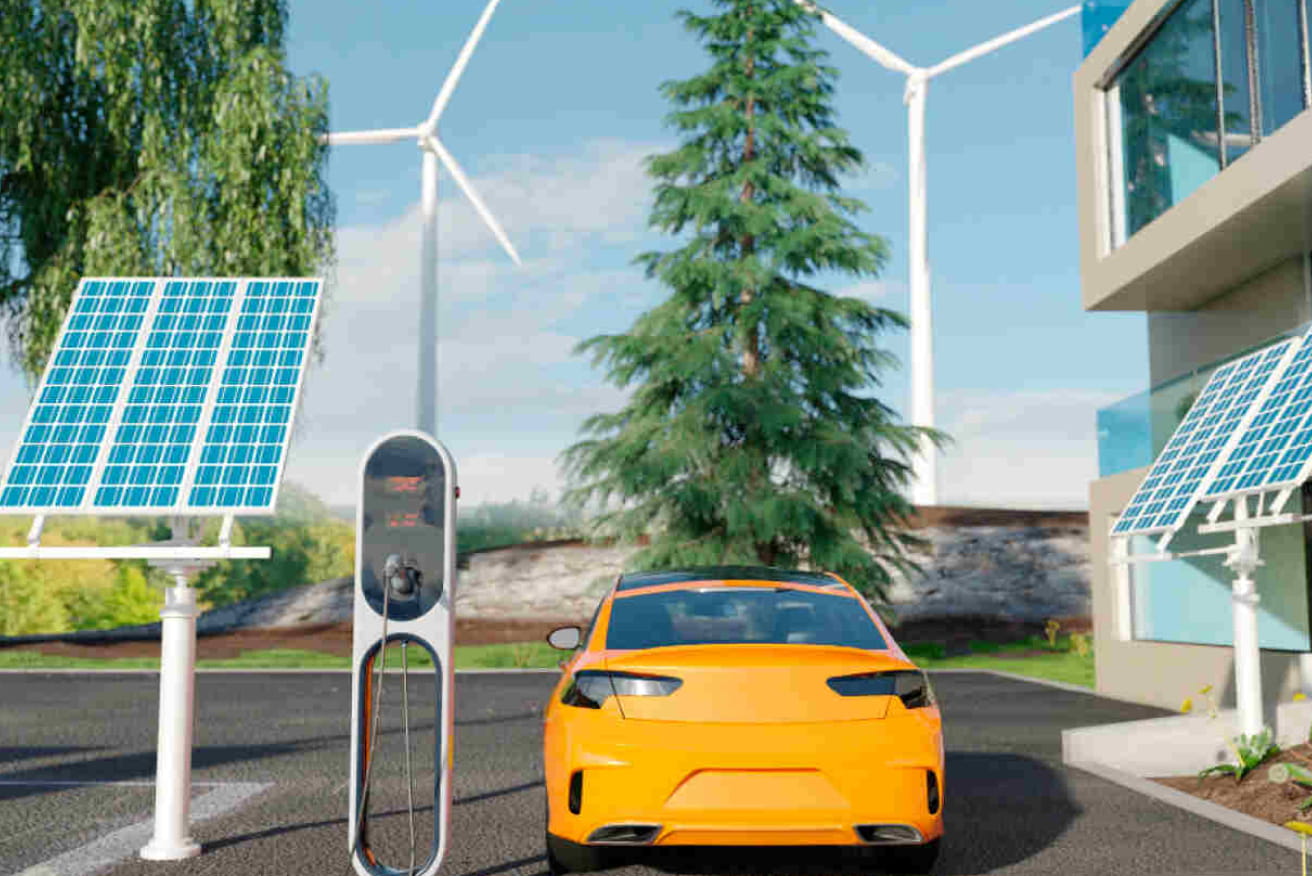
If you’re running a fleet in New Jersey and planning to switch to electric vans in 2026, you’ll probably notice the vehicles show faster than the chargers do. That’s where mobile EV charging steps in. Instead of waiting around, a technician brings a Level 3 DC fast charger straight to your parked vehicles. This guide breaks down how mobile EV charging works, which fleets are already using it, and how much money you can actually save.
Mobile EV charging for commercial fleets is a service contract. The fleet of books sessions, and the provider sends a technician to a depot, dealership lot, garage, or job site. The fleet owns no chargers, files no utility request, and pays for sessions instead of hardware. Jooser's Level 3 DC fast charging delivers up to 350 kW.
How Does It Work: Step by Step
There is no trenching, permitting, or utility interconnection, so fleet setup takes days. Check out our New Jersey page for more details.
As of June 2026, nearly 280,150 plug-in EVs are cruising around the state. If you’re driving one, you’ve got access to 2,181 public DC fast charging ports scattered throughout Jersey, but there’s a catch: none of them can be reserved in advance.
On the commercial side, NJ ZIP—the state’s truck voucher program—put 512 electric trucks on the road by late October 2026. Basically, both private drivers and fleet operators are getting plenty of support, but only those who can plan around the “first come, first served” charging stations will really see the biggest wins.
Fleet managers who need trucks on the road and don’t want to gamble on charger availability probably benefit most from programs like NJ ZIP.
Those vehicles run on timetables. Last-mile delivery vans near Port Newark and Elizabeth, rental and dealership lots, rideshare drivers, school and municipal fleets, and event operators all lose route time when a public port is busy. Mobile EV charging solutions let them book that time in advance.
Also Read: The Complete Guide to Mobile EV Charging Services
It really comes down to keeping things running and moving quickly. From start to finish, getting power from a utility and making a charging site live usually drags out for six to eighteen months. Plus, installing just one fast charger can cost well into the six figures. While all that’s happening, your vehicles have to sit out or drive farther for power. That’s a waste of time, and in this business, downtime is expensive.
Mobile EV charging removes capital spending and the wait. You pay per session and add capacity by booking: ten more vans mean ten more sessions, not a second construction project. If routes change, there is no stranded hardware at a depot you no longer use.
A permanent charger still wins where the same vehicles charge at the same site every night. Mobile service fits growing fleets, shared vehicles, and sites waiting on a utility date.
Funding for commercial EV charging New Jersey projects looks different this year:
Confirm eligibility with each administrator before you apply. A mobile service does not depend on any of these programs.
Yes. For about a quarter of booked sessions, you’ll see exactly how many kWh each vehicle used, where they charged, and at what times. A lot of fleets actually use both setups: they have fixed Level 2 chargers for overnight charging, plus mobile EV charging for busier times or emergencies.
Want to see what’s available? Check coverage and book on the website.
You might also like:
Most EVs reach about 80% in 20 to 45 minutes, depending on the vehicle's acceptance rate, so a session fits a shift change.
No. The charger arrives on a vehicle, so there is no trenching, construction, or interconnection for your business to file.
Yes. You can book on demand or schedule sessions, and support is available 24/7.
Jooser shows the price before you book. It varies with the vehicle, battery level, and location.
The 2026 programs reviewed fund vehicles or installed chargers. Confirm session-based service with the program administrator.
Yes. Fleets add sessions for peak days, emergencies, and vehicles that park away from the depot.

Zachary Ebner is the Founder and CEO of Jooser, focused on transforming EV charging through convenient, on-demand mobile solutions. Drawing on more than a decade of experience in real estate and business leadership, he drives Jooser’s vision to make EV charging more accessible, reliable, and seamless for drivers.