Get 10% Off On Your First Order CODE: FIRST10
Get 15% Off When You Refer A Friend Code: JFRIEND


Explore portable EV charging services for businesses and fleets in New York. Discover how mobile charging saves time and reduces installation costs.
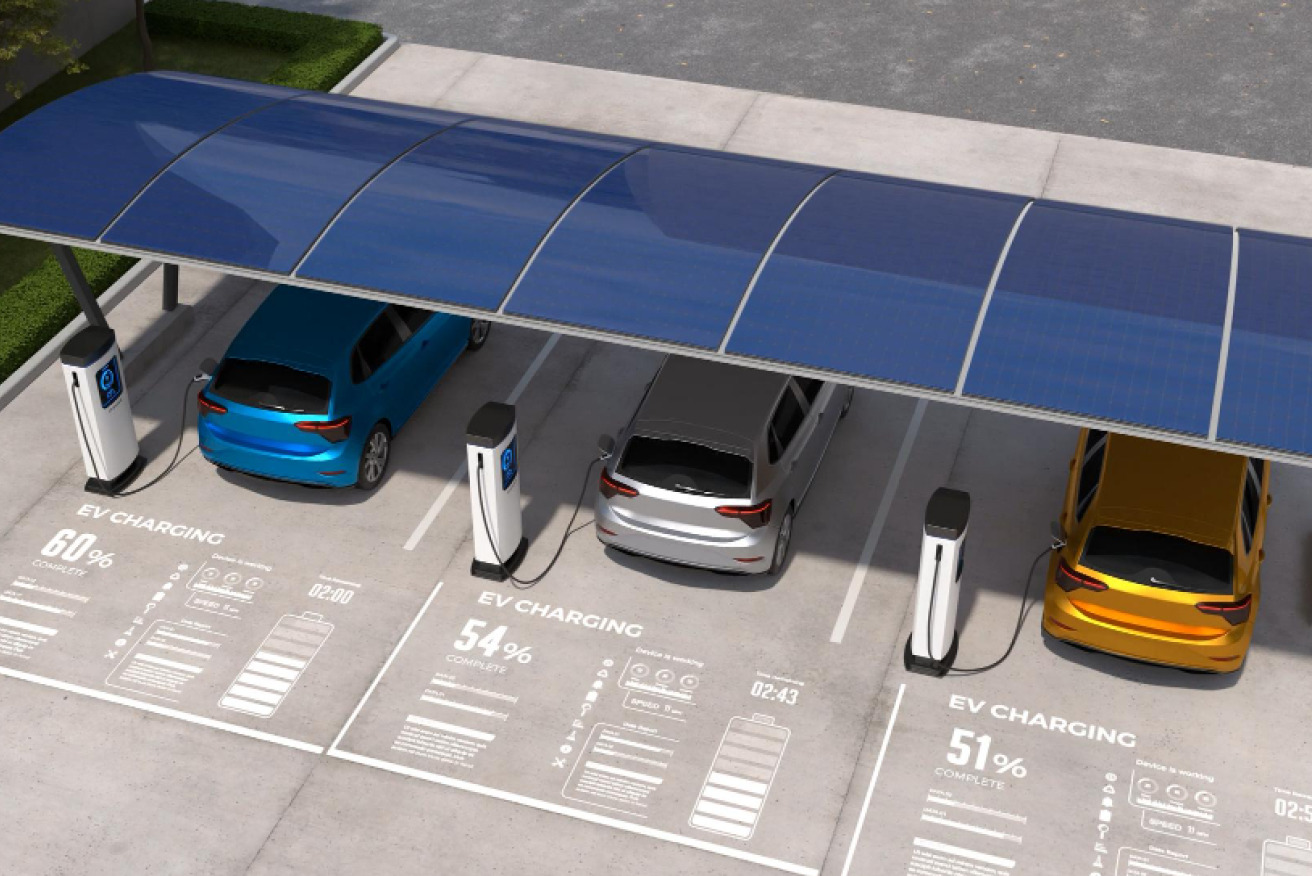
If you’re running an EV fleet in New York, you’re probably not worried about whether chargers exist—they do. The real problem is finding one that’s available, working, and nearby right when you need it. That’s where portable EV charging services come in. Instead of hunting for a charger or shifting your whole schedule around, these services bring the charging unit straight to your vehicle, wherever it’s parked. In this guide, I’ll break down how portable charging works, why New York’s EV network doesn’t always cut it for commercial fleets, and how to figure out if you’re better off with portable or permanent charging solutions.
A technician shows up with a mobile Level 3 DC fast charger and plugs in wherever the vehicle’s parked- could be a depot, a dealership lot, a job site, or even a parking garage. Jooser’s New York service delivers up to 350 kW, and most electric cars hit 80% charge in about 20 to 45 minutes, depending on what the car can handle. These B2B mobile EV charging services bill straight to the company and get scheduled around shift changes or maintenance, not the whims of whatever public charger happens to be nearby. You can book on demand or lock in a time, track the technician in real-time, and there’s always someone on standby if you need help. The business doesn’t have to own any equipment or mess with interconnection paperwork.
AFDC data lists 20,029 public charging ports across New York, and 3,303 of them are DC fast. Most of the network is Level 2, built for cars that sit for hours, not vans on a route. New York City's own fleet shows the pressure. As of April 2026 the city ran 5,825 EVs and 415 fast chargers, and its Clean Fleet Transition Plan still names power availability and charging access as barriers for construction equipment.
For fleet EV charging New York operators, the private version is harder. Coverage of the Trucking Association of New York's concerns in April 2025 quoted a fleet owner receiving bids above $1 million for a DC fast charger serving three trucks, with a build time over a year. For private fleets, the constraint is rarely the charger itself. It is utility capacity that arrives on the utility's timeline, not the fleet's.
Also Read: The Complete Guide to Mobile EV Charging Services
10,000 pounds qualify. So, if you’re running lighter fleets and rely on B2B mobile EV charging services, this pilot doesn’t cover you. Even if you get funding, your project still has to pass through utility review, permitting, and construction before you can plug in your first vehicle. The Medium and Heavy-Duty EV Make-Ready Pilot covers up to 90% of costs on both the utility and customer sides for sites located in or partially within disadvantaged communities.
If your site is outside those areas, you're not eligible for customer-side funding. Private sites just don’t qualify. Funding is handed out on a first-come, first-served basis. Once the money is gone, that's it. Even if you secure funding, there’s still a long process to go utility review, permits, and construction all have to happen before you can actually plug in and charge your first vehicle.
A fleet books sessions as vehicles need them: overnight at a depot, between shifts, or during a service window. Six vans can become ten by booking four more sessions, with no second construction project. A van that comes back at 8% mid-shift gets an emergency dispatch through portable EV charging services, avoiding a tow.
Portable charging also works as a pilot. Three months of booked sessions show how many kWh each vehicle draws, at which sites, and at what hours.
Many fleets end up with both: permanent Level 2 for vehicles that park overnight, portable Level 3 for peaks and emergencies. Jooser serves all five boroughs, plus the JFK and LaGuardia corridors, and you can check coverage and book on the website.
A technician brings a Level 3 DC fast charger to your vehicle, so you charge on site without installing equipment or visiting a public station.
Most EVs reach about 80% in 20 to 45 minutes, depending on the vehicle's acceptance rate, so charging fits a shift change or break.
No. The charger arrives on a vehicle, so there is no trenching, construction, or utility interconnection for the business to file.
For variable or growing demand, usually yes, since you pay per session. High, steady daily use at one site can favor permanent chargers.
Yes. A technician is dispatched to the vehicle's location, which avoids a tow and keeps a stranded van or rental in service.
All five boroughs, plus the JFK and LaGuardia corridors. Enter your address at booking to confirm coverage and arrival time.

Julian Ebner is the Co-Founder of Jooser, driving strategic partnerships, business development, and growth initiatives to expand accessible and reliable mobile EV charging. With experience across entrepreneurship, sports management, and real estate, he brings a versatile, customer-focused approach to building innovative mobility solutions.